


Todos los productos
Persona de Contactar Ahora :
Blair Wang
Número de teléfono :
+8618560070563
¿Qué es? :
+8618560070563
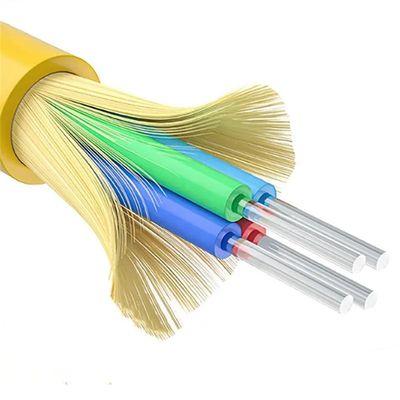
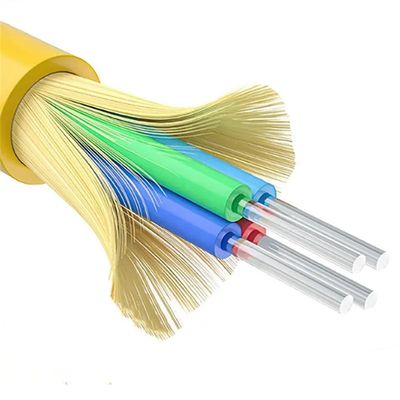
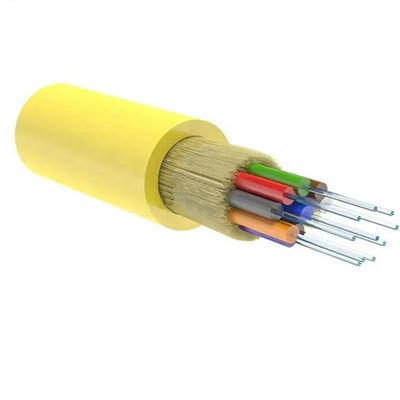
Indoor Fiber Optic Cable 6 8 12 core OM1 OM2 OM3 OM4 OM5 for Distribution Use


| Lugar de origen | Shandong, China |
|---|---|
| Nombre de la marca | EBOCOM |
| Certificación | ISO TLC |
| Número de modelo | GJFJV-8B1 |
| Cantidad de orden mínima | 2000m |
| Precio | EXW ≥2000m $0.2/M ≥5000m $0.17/M |
| Detalles de empaquetado | 1. tambor de hierro-madera o tambor de madera sin fumigación, tambor de madera normal. 2. el tamaño |
| Tiempo de entrega | 5 a 8 días |
| Condiciones de pago | T/T |
| Capacidad de la fuente | 5000 KMS/día |

Póngase en contacto conmigo para muestras y cupones gratis.
¿Qué es?:0086 18588475571
El Wechat: 0086 18588475571
¿ Qué pasa?: sales10@aixton.com
Si tiene alguna preocupación, ofrecemos ayuda en línea las 24 horas.
xDatos del producto
| Nombre del producto | El número de personas que pueden participar en el programa de trabajo de la Comisión | Chaqueta | PVC /LSZH |
|---|---|---|---|
| Miembro de la fuerza | Hilo aramido | Fibra | Modo único/modo múltiple |
| Marca | Ebocom o OEM | ||
| Resaltar | 6 core indoor fiber optic cable,OM4 indoor fiber optic cable,distribution use fiber optic cable |
||
Descripción de producto
Description
An indoor fiber optic cable is a specialized cable designed for use within buildings that features a flame-retardant, low-smoke jacket to comply with fire safety regulations. Unlike outdoor cables, which are built to withstand harsh environmental conditions and are often armored, indoor cables are more flexible and focus on safety and ease of installation in structured environments like conduits, cable trays, or ductwork.
Key characteristics
Flame-retardant jacket: The outer jacket is made of materials that are flame-retardant and can also be low-smoke zero-halogen (LSZH) to prevent the release of toxic fumes in a fire.
Flexibility: These cables are typically more flexible and have a tight-buffered construction, making them easier to manage and route within a building.
Lower tensile strength: They do not require the same level of physical strength as outdoor cables, which are built to withstand pulling, weather, and UV exposure.
Common use cases: They are used for data transmission within local area networks (LANs), data centers, and for connecting devices and networks inside a building.
Installation methods: Indoor cables can be installed in ducts, cable trays, or elevated over drop ceilings and under raised floors, but they are not designed for direct burial or exposure to the elements.

Applications
Indoor wiring / indoor communication equipment, between equipment and instruments
Mechanical Specifications
| Cable Model | Outer Diameter
(mm) |
Weight
(kg/km) |
Tensile Strength(N) | Crush Resistance(N/100mm) | Bending Radius | Jacket Thickness(mm) | |||
| Long term | Short term | Long term | Short term | Dynamic | Static | ||||
| GJFJV-2F | 3.6±0.2 | 12.5 | 180 | 440 | 300 | 1000 | 20D | 10D | 0.45±0.05 |
| GJFJV-4F | 4.7±0.2 | 17.6 | 180 | 440 | 300 | 1000 | 20D | 10D | 0.8±0.1 |
| GJFJV-6F | 5.2±0.2 | 22.8 | 180 | 440 | 300 | 1000 | 20D | 10D | 0.9±0.1 |
| GJFJV-8F | 5.8±0.2 | 26.7 | 180 | 440 | 300 | 1000 | 20D | 10D | 0.9±0.1 |
| GJFJV-12F | 6.3±0.2 | 32.7 | 180 | 440 | 300 | 1000 | 20D | 10D | 0.9±0.1 |
| GJFJV-24F | 8.0±0.2 | 53 | 200 | 660 | 300 | 1000 | 20D | 10D | 1.0±0.1 |
Productos recomendados